

Archive.org Website Rebuilder Guide
Learn how dated captures, route inventories, asset records, and standalone tests support a careful website rebuild.
Direct answer: Use these guides to choose a dated capture, audit recoverable evidence, repair missing assets and replay URLs, select a maintainable stack, and verify the rebuilt site before launch.
Start with the Wayback Machine downloader guide to understand the package. Read how an Archive.org website rebuilder works, then use the capture audit checklist before estimating scope.
Understand captures, packages, permissions, and limitations.
Learn how dated captures, route inventories, asset records, and standalone tests support a careful website rebuild.
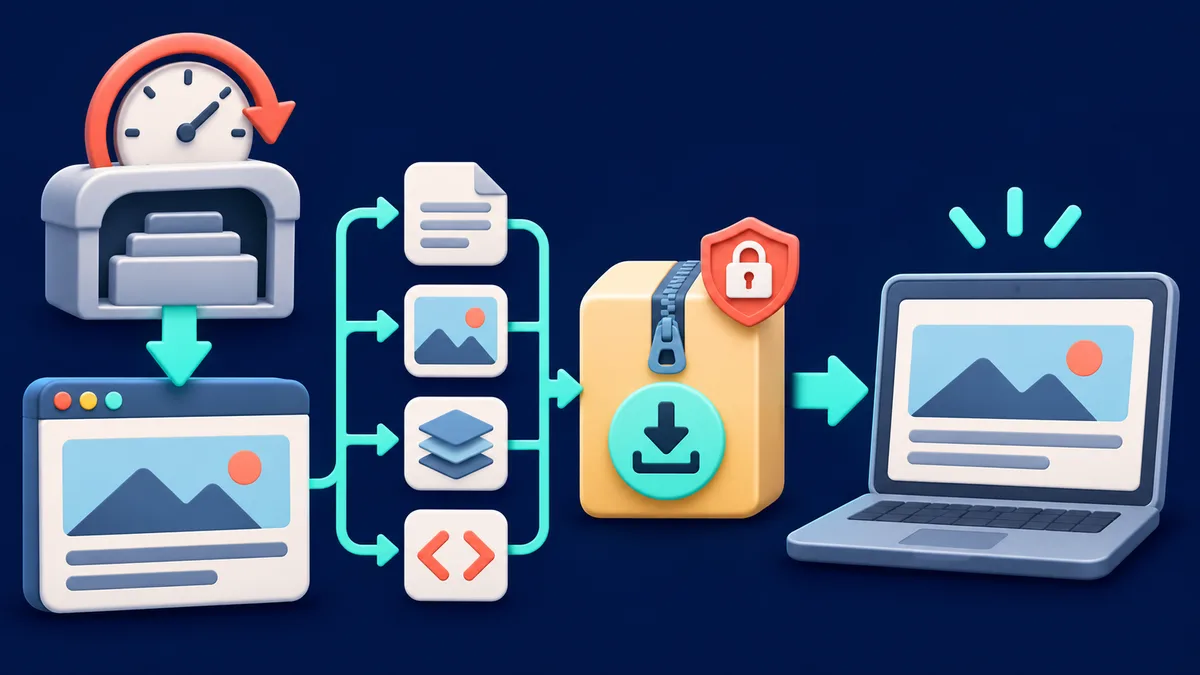
Understand the recovery pipeline before you download an archived site.
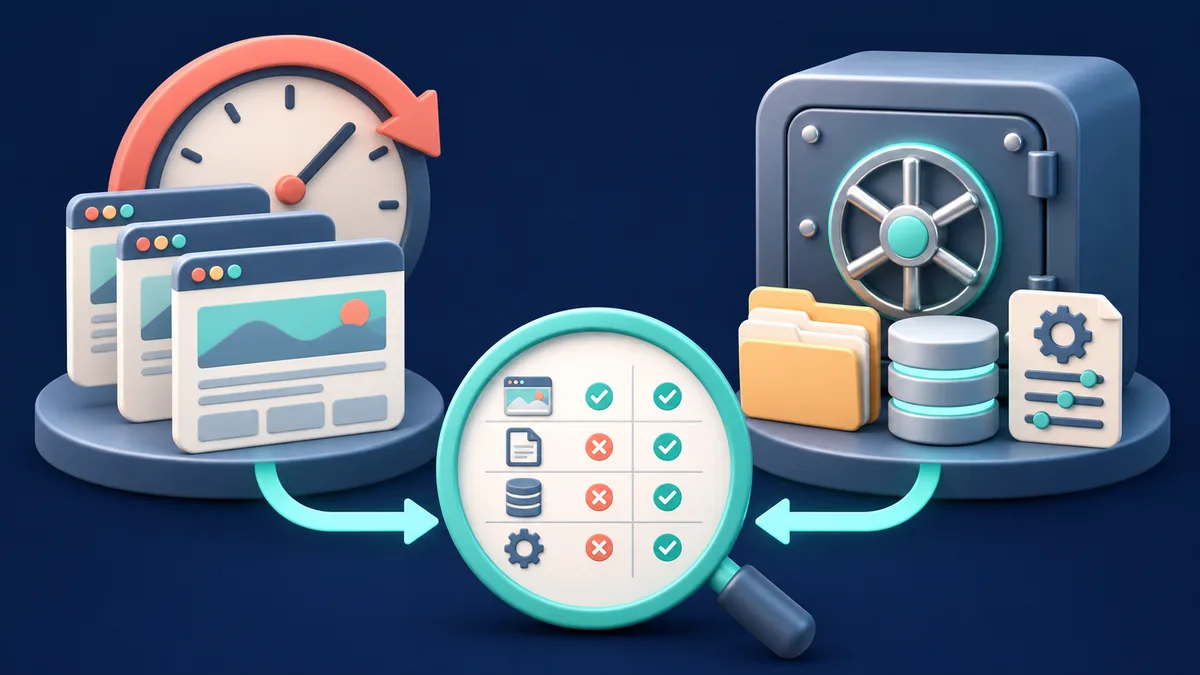
Know when an archive recovery can help and when you need server backups.

Understand the archive and website recovery terms used in our tools, reports, and guides.
Choose coherent snapshots and interpret archived URLs.

The closest date is not always the most complete recovery source.

Parse the timestamp and original URL before starting a recovery.

Turn capture metadata into a scoped recovery inventory.
Turn recovered evidence into a secure, maintainable website.
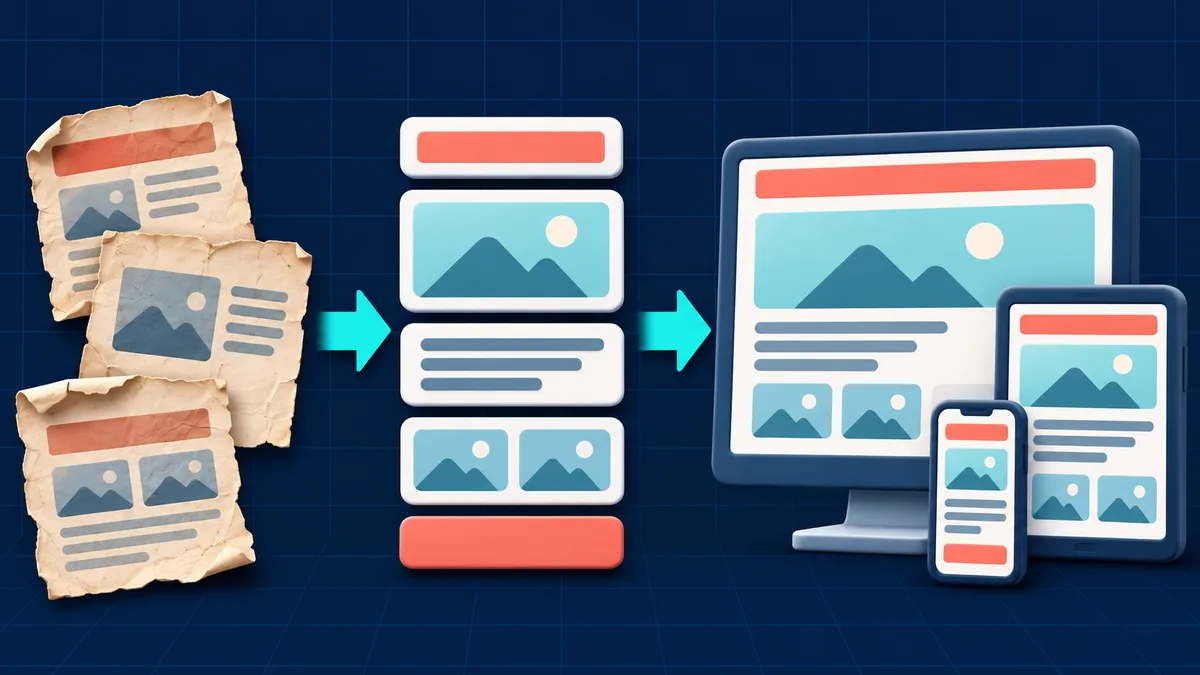
Modernize recovered pages into reusable routes and components without inheriting broken code.

Follow the complete path from one dated capture to a tested website in the code stack you choose.
Find and fix missing styles, images, scripts, and paths.
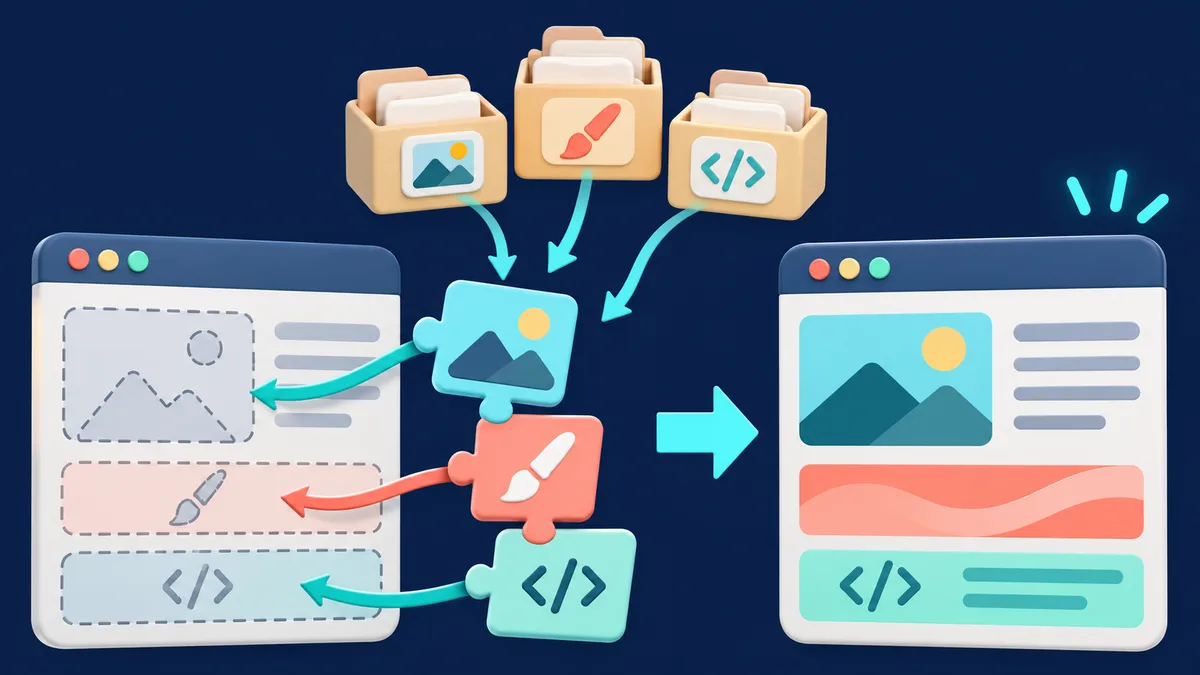
Trace each broken asset to its archived request and local replacement.
Move recovered content into a structured publishing system.

Convert content into WordPress structure instead of wrapping old HTML in a theme.
Relaunch recovered URLs with correct search and hosting behavior.
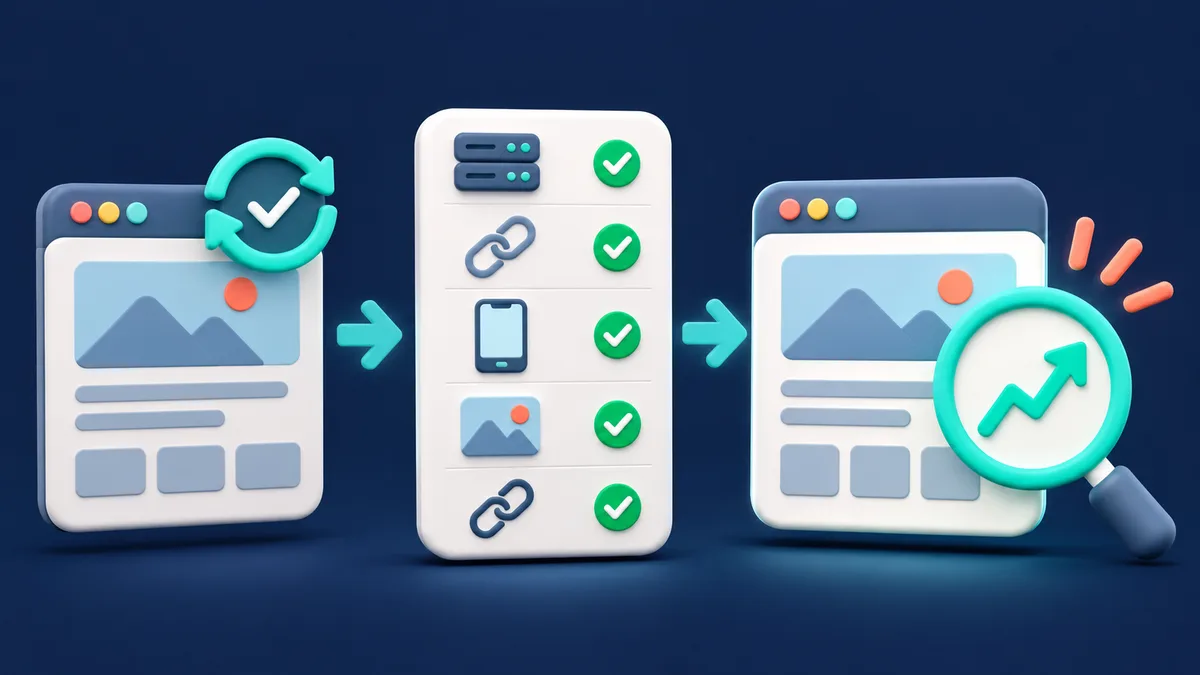
Preserve useful history without publishing archive artifacts or soft errors.
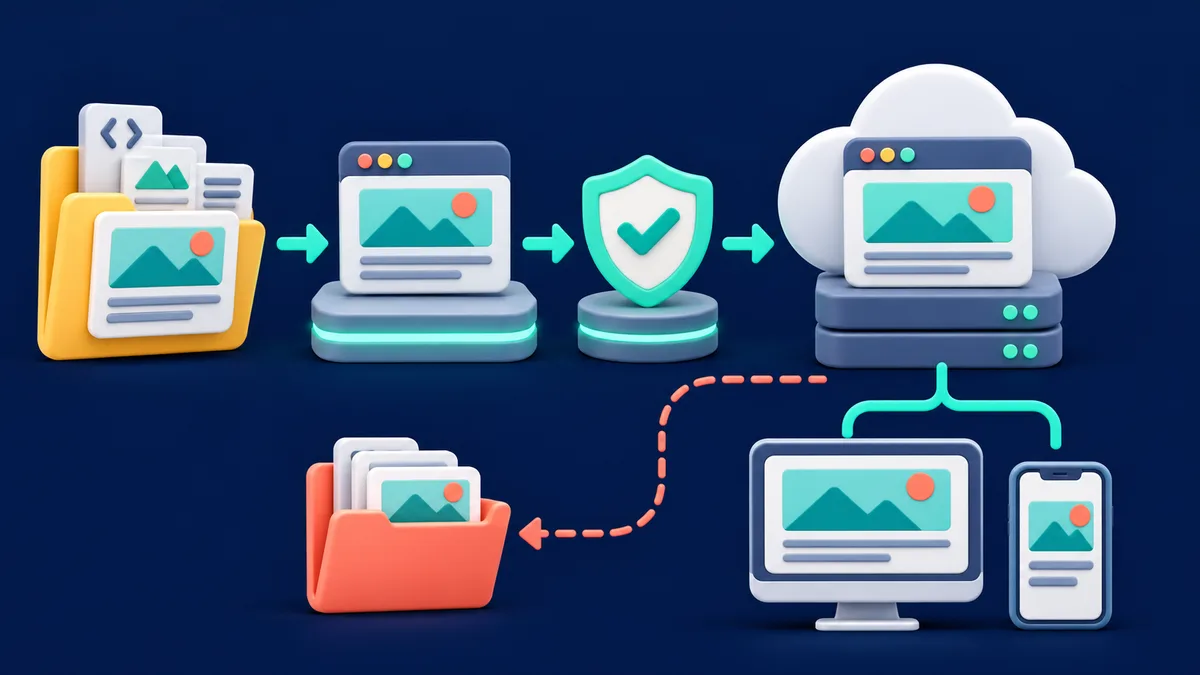
Treat recovered files as untrusted input before putting them on a public host.
Inventory, retrieve, normalize, and compare archived website files.

Define complete carefully, then verify every recovered file.

Choose a tool based on whether the source is a live site or an archive replay.
Prove completeness, isolate historical code, and release only reviewed website files.

Replace vague completeness claims with a source-to-delivery evidence ledger.

Treat recovered code and downloads as historical evidence until they pass isolation and release review.
Review authorization, privacy, rights, and publication responsibilities.
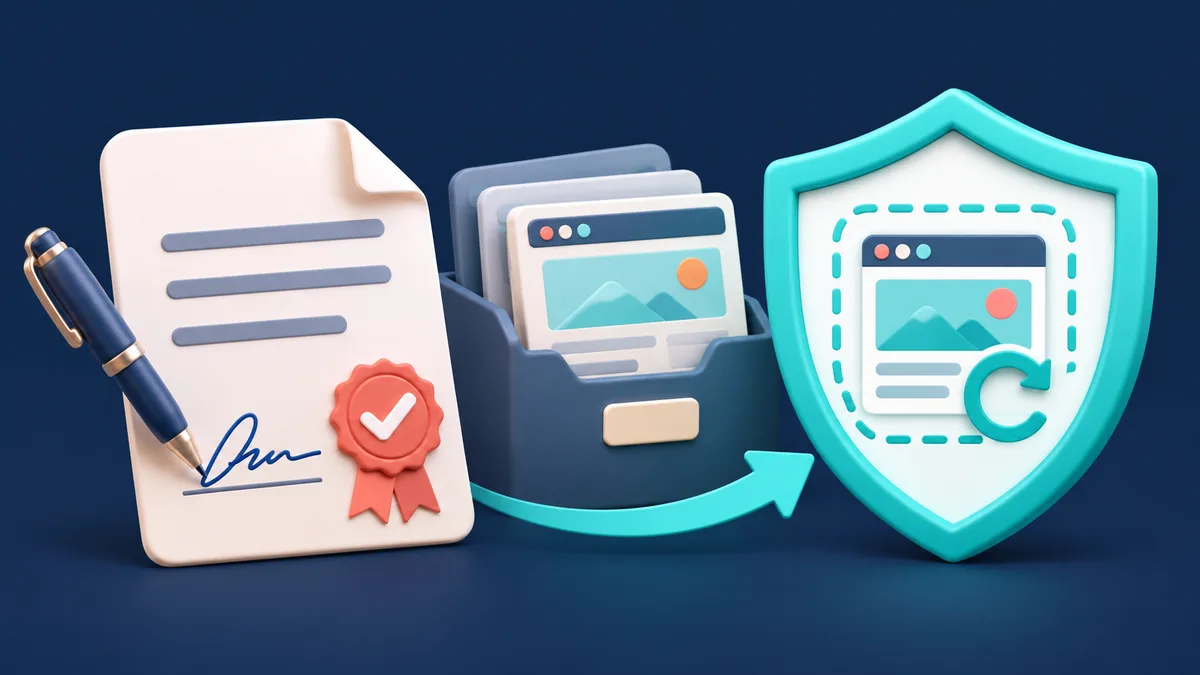
Confirm authority and content rights before rebuilding or republishing an archived site.